
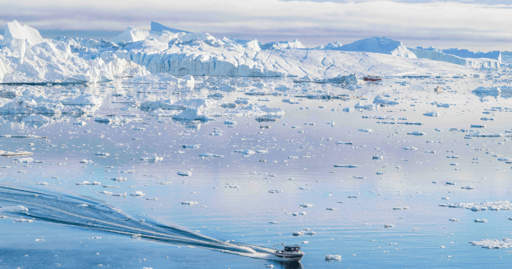
Such long time scales are easy to overlook, even if the consequences are profound, Donges said. People tend to focus on what happens by 2100, he added, but the real story is what we’re setting in motion over the next few decades that will play out in the coming centuries. His team looked at how the ice basins may affect one another because previous research showed that different areas have different thresholds for significant melting; the loss of even a single basin could raise sea level by 20 or 30 feet.
The Amundsen Sea sector in West Antarctica has already been identified as one of the regions most vulnerable to current levels of warming, he said, adding that its ice will retreat for centuries even if global temperatures stabilize.
What is so disorienting about this moment is the lack of awareness in a lot of older people that the consequences of what happened during their lifetime will literally last for thousands and thousands of years, at a minimum. From the perspective of the vast multi-thousand or multi-million year destruction wrought during the lifetime of Boomers the next generations of Millenials and Gen-Z barely even register as happening at a later time or coming “next”. This isn’t about us, this is about witnessing the thing that will write the story of countless human generations after us for perhaps millions of years, in the worst way possible.
A lot of people will read these words and derisively comment “this is catastrophizing” with a laugh, so be it, “when in Rome” they say…
This is about a process of grief, alarmism isn’t the aim, it is too late for alarmism to stop anything even if it did work.