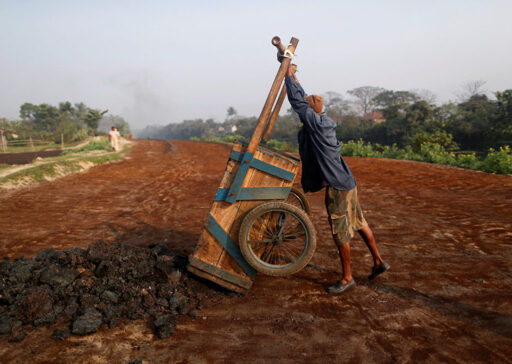
The fertilizer shortage is putting the livelihood of farmers in developing countries — already troubled by rising temperatures and erratic weather systems — further at risk, and could lead to people everywhere paying more for food.
Based on this information you should understand that it is critical to the food supply. Yields are kind of important.
Based on this information, you should then understand that your original objection is incorrect, as what I objected to, and what you said, was
We can’t grow them fast enough to feed everyone without fertiliser.
Fertilizer increases yields, but we are in a system that struggles with overproduction and poor distribution, not underproduction. It is a issue regarding the long-term financial health of farming firms (ie including and especially smallholders who are at risk of being bought out by large landowners), just not the one being asserted.
That’s all cool but have you wondered how would such a change get implemented overnight? You guys are all dreaming of solarpunk while the reality is much more immediate.
That’s all cool but have you wondered how would such a change get implemented overnight? You guys are all dreaming of solarpunk while the reality is much more immediate.
… what change did I propose to be implemented overnight? The core of my point is that reduced yields for a single year from expensive fertilizer is damaging to the financial health of firms, but not an actual famine-causing incident.
I reiterate, since you apparently didn’t read closely:
Fertilizer increases yields, but we are in a system that struggles with overproduction and poor distribution, not underproduction.
Food production and distribution system remains the same as it was, the ownership didn’t change, and so we will bear consequences of not having enough fertiliser that will be amplified by inefficient system. It doesn’t matter that it can be solved by more forward thinking because there are no functioning adults in power that would actually implement it.


To my knowledge, fertilizer largely increases yields rather than significantly speeding up the harvest cycle.
Based on this information you should understand that it is critical to the food supply. Yields are kind of important.
Mike Judge was a prophet.
Based on this information, you should then understand that your original objection is incorrect, as what I objected to, and what you said, was
Fertilizer increases yields, but we are in a system that struggles with overproduction and poor distribution, not underproduction. It is a issue regarding the long-term financial health of farming firms (ie including and especially smallholders who are at risk of being bought out by large landowners), just not the one being asserted.
That’s all cool but have you wondered how would such a change get implemented overnight? You guys are all dreaming of solarpunk while the reality is much more immediate.
… what change did I propose to be implemented overnight? The core of my point is that reduced yields for a single year from expensive fertilizer is damaging to the financial health of firms, but not an actual famine-causing incident.
I reiterate, since you apparently didn’t read closely:
Food production and distribution system remains the same as it was, the ownership didn’t change, and so we will bear consequences of not having enough fertiliser that will be amplified by inefficient system. It doesn’t matter that it can be solved by more forward thinking because there are no functioning adults in power that would actually implement it.