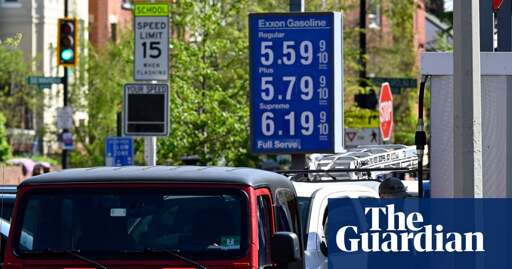
The excess profits come from the pockets of ordinary people as they pay high prices to fill up their vehicles and power their homes, as well as from businesses incurring higher energy bills. Dozens of countries have cut fuel taxes to help struggling consumers meaning those nations, including Australia, South Africa, Italy, Brazil and Zambia, are raising less money for public services.
Pressure is growing for windfall taxes on the war profits of oil and gas companies, with the European Commission considering a request from the finance ministers of Germany, Spain, Italy, Portugal and Austria to “send a clear message that those who profit from the consequences of war must do their part to ease the burden on the general public”.
“It would make it possible to finance temporary relief, especially for consumers, and curb rising inflation, without placing additional burdens on public budgets,” the ministers said in a letter on 4 April. The EU’s fossil fuel bill has risen by €22bn since the start of the Iran war.
Aramco is by far the biggest winner, estimated to make a war profit of $25.5bn in 2026 if the oil price averages $100. That is on top of the huge profits habitually made by the majority state-owned company – £250m a day between 2016 to 2023. Saudi Arabia has for decades led successful efforts to block and delay international climate action.

 8·15 days ago