Ah, but facilities used to drive a car are private goods, in that they are rivalrous and potentially excludable. Only one car can occupy a given space at a time, and we can (and do) charge for their use. Education, on the other hand, is a public good, non-rivalrous and non-exclusive. They are not the same, and there are good reasons to fund one with tax money, and not the other.
A ton of public services use roads. Actually, literally all public services use roads. School buses use roads to bring children to school. The post office uses roads, as do firefighters and EMS. So does your electric service, waste collection, and water service
Yes, and? All of those public services rely on private goods to operate, e.g. vehicles, fuel, wages, et cetera. All of those are rolled in to the cost of providing the service, so there’s no reason that use of the basic vehicle infrastructure could not also be included. It would help eliminate deadweight loss, in fact.
Fair. I’m advocating removing all subsidies for private motor vehicles, so that we have a user-pays system, including the cost of negative externalities, like pollution, carbon emissions, and human health impacts, through taxes and registration fees (or similar). This would price the true cost of transportion into goods and services, which would lead to an economically optimal amount of driving. Undoubtedly we’d choose to drive much less, which would have lots of knock-on benefits for individuals and local communities.
Local buses are a public service run by a municipality or transit authority, generally, but are still a private good. They’re rivalrous (only one butt per seat), and excludable (can’t ride if you don’t pay). This is clearer with inter-city buses, which are operated by private corporations.


Ah, but facilities used to drive a car are private goods, in that they are rivalrous and potentially excludable. Only one car can occupy a given space at a time, and we can (and do) charge for their use. Education, on the other hand, is a public good, non-rivalrous and non-exclusive. They are not the same, and there are good reasons to fund one with tax money, and not the other.
A ton of public services use roads. Actually, literally all public services use roads. School buses use roads to bring children to school. The post office uses roads, as do firefighters and EMS. So does your electric service, waste collection, and water service
Yes, and? All of those public services rely on private goods to operate, e.g. vehicles, fuel, wages, et cetera. All of those are rolled in to the cost of providing the service, so there’s no reason that use of the basic vehicle infrastructure could not also be included. It would help eliminate deadweight loss, in fact.
I have no idea what sort of model you’re advocating for here
Fair. I’m advocating removing all subsidies for private motor vehicles, so that we have a user-pays system, including the cost of negative externalities, like pollution, carbon emissions, and human health impacts, through taxes and registration fees (or similar). This would price the true cost of transportion into goods and services, which would lead to an economically optimal amount of driving. Undoubtedly we’d choose to drive much less, which would have lots of knock-on benefits for individuals and local communities.
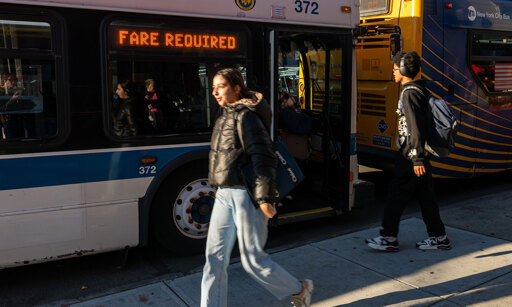
Buses exist.
Local buses are a public service run by a municipality or transit authority, generally, but are still a private good. They’re rivalrous (only one butt per seat), and excludable (can’t ride if you don’t pay). This is clearer with inter-city buses, which are operated by private corporations.