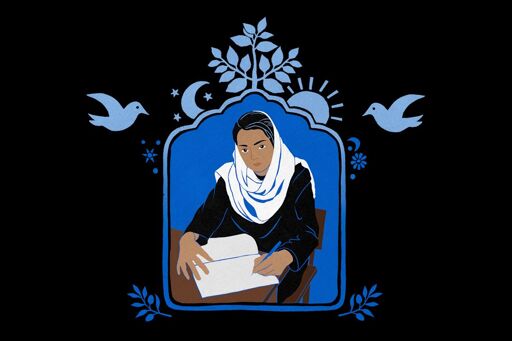
An estimated 2.4 million Afghan girls remain excluded from secondary education five years after the Taliban took over the country, a U.N. agency said Tuesday, renewing a call for an immediate restorat...
And then we yanked all the aid and kicked off a famine the day the last soldier took the last plane out of Kabul.
I think you may have gotten the timeline confused here, USAID to Afghanistan continued until Trump took office in Jan 2025 - and per the Doha accord, the US withdrew it’s military (and diplomatic) presence from Afghanistan in august 2021. The Taliban declared the agreement void in 2025 as a response, though fortunately little has come of that from either side. To be clear, USAID payments were not cut off until ~3.5 years after the US withdrew it’s forces, and the current famine is the result of that cessation (medical shortages too, though that’s been greatly exacerbated by the Afghan/Pakistan war) (no argument that even with the barest abstraction it was similarly caused by the vast machine of imperialism)
Also unless I’m misunderstanding what you said here, the soviets were the ones that mined Herat during the soviet-afghan war. It wasn’t destroyed by the US invasion, it had been salted a decade before - british forces spent a great deal of their time trying to actually do the hearts-and-minds thing by demining much of the arable land (the US did do some demining, but almost all of the work was done by the Brits, Afghan army and Taliban-affiliated groups post-doha. Though as I understand it, UXOs are the greater threat left over from the era of the US war).
It’s always been a critical region for food supply - and it has (likely) returned to that role after the taliban’s 2022 ban of poppy cultivation. We know that poppy cultivation in the region seems to have stopped at least, though crop yields aren’t regularly published by the IEA as far as I am aware so it’s solidly in the realm of ‘informed speculation’ (most likely its been turned to Saffron production - a fairly lucrative trade but I will spare the world yet another lecture on the agrieconomics of rural Afghanistan…)
(unless you’re referring to something else as the breadbasket)
USAID to Afghanistan continued until Trump took office in Jan 2025
Biden began freezing access to Afghan funds as early as 2021. He then moved half of the money over to “humanitarian assistance” for Afghans as directed by the US government, effectively “aiding” them with their own stolen funds. And then he simply hijacked half of the funds to send to 9/11 survivors as a publicity stunt.
To be clear, USAID payments were not cut off until ~3.5 years after the US withdrew it’s forces
USAID payments (coming out of stolen Afghan funds) were targeted to areas of the country that maintained US-aligned groups. These were, most notably, the Northern Alliance forces notorious for their opium smuggling and child rape.
We know that poppy cultivation in the region seems to have stopped at least, though crop yields aren’t regularly published by the IEA as far as I am aware so it’s solidly in the realm of ‘informed speculation’
This is exactly what the Taliban did back in 1996, after they had secured the country against the Russian invasion of the prior decade. Also, a central motivating factor for their success. Native Afghans - particularly the devote Muslims - generally didn’t like their country being used as a massive drug lab. And the price of heroin globally has jumped since the US left Afghanistan. So their either hording all the opium for themselves. Or they actually ended production, as promised.
Biden began freezing access to Afghan funds as early as 2021.
Yes? This is pretty famous - but it’s not USAID, which is what was being discussed and the cessation of which was the thesis of the article about the current famine which you initially linked to.
notorious for their opium smuggling and child rape.
Um… The cessation of the opium trade was the largest (internally originated) exacerbating factor to the 2022 famines and completely destroyed the economy in the poorest regions of the country, and was undertaken as a moral crusade because the trade in opium poppies had again shifted the balance of influence away from local elders and the Imams. It’s one of the Taliban’s most effective moves in consolidating theological control over the agricultural regions of the country, and it’s (predictably) been a humanitarian disaster. The attempt to course-correct with saffron may work eventually, but it’s barely comparable in terms of market size and so many regions are still suffering under the loss of the poppy trade.
Also real good point with the child rape you keep bringing up, I agree totally: it’s tragic that gay marriage was such an impossible sell to the crossroads muslim population - the Taliban clearly had that competition in the bag before it even started.
The money was transferred to accounts used by US relief agencies.
So that means they didn’t count
If I shove you over, take your wallet, hand half the money to my friend who lost his house in a fire, and hand you back an HEB gift card with the other half banked on it? Did I just give you food aid?
In brief tho, the cessation of the opium trade was the largest (internally originated) exacerbating factor to the 2022 famines and completely destroyed the economy in the poorest regions of the country
The sudden loss of an external market for opium exports certainly hurt the Afghan economy overall.
But that market was the result of US military and contractor affiliates and the Karzai government leaving. So… should they simply not have left? Afghanistan should just stay a narco-state forever?
it’s tragic that gay marriage was such an impossible sell to the crossroads muslim population
It’s not an impossible sell. But it’s also not something foreign governments are going to impose on a population at gunpoint.
This is how you get the old Soviet “Gayness is just when the Brits do Imperialism” bad take.
The money was transferred to accounts used by US relief agencies.
So… what’s your point?
If I shove you […] Did I just give you food aid?
Vile sure, but literally yes.
The sudden loss of an external market for opium exports certainly hurt the Afghan economy overall.
I’m sorry, this is just me being genuinely unclear on what you’re saying here - do you mean that the US military and the Karzai government was the primary market for / exporter of Afghan heroin, or that in leaving they somehow restricted the export of heroin in a way that it hadn’t been restricted through their presence, or that there suddenly was no global demand for heroin, or… what? Again not trying to be shitty, genuinely just unclear.
It’s not an impossible sell.
Sure! But it was an impossible sell - and my use of the past tense there was quite intentional. In Afghanistan under Taliban rule it’s still effectively impossible, but the cultural attitudes of the crossroads region as a whole are, incredibly slowly, changing in a more positive direction with regards to homosexuality (outside the bounds of pederasty, which is it’s own disgusting side topic). However my invocation of the concept was to highlight the use of child rape as a rhetorical tool to polarize the attitudes towards the northern alliance, while ignoring that the Taliban’s approach was to simply declare child rape legal if you’re married (but not if it’s gay child rape - no, that’sA Bridge Too Far!). A clever loophole, though still by any other definition child rape.
should they simply not have left? Afghanistan should just stay a narco-state forever?
Bit of a false dilemma here. So stepping around it to the issue, I’m genuinely interested in why you’re presenting the export of narcotics as being a Bad Thing™. That was one common piece of rhetoric trotted out to justify having blown the crap out of some random farming village, and it’s as much a pro-imperialist argument now as it was back then.
This is how you get the old Soviet “Gayness is just when the Brits do Imperialism” bad take.
I’ve not encountered this one before, that’s… another one for the depressingly-on-brand pile, I suppose.
It’s unfortunately a valid question. I don’t know how that factors in to the argument that dismantling USAID hasn’t lead to a famine. Or how it shows that USAID to afghanistan didn’t continue for 3.5 years after the US withdrawal.
You know you could simply elaborate on your point, instead of resorting to accusing me of performatively misunderstanding a confusingly presented argument. This has been quite a pleasant conversation otherwise.


Finally getting a second to respond:
I think you may have gotten the timeline confused here, USAID to Afghanistan continued until Trump took office in Jan 2025 - and per the Doha accord, the US withdrew it’s military (and diplomatic) presence from Afghanistan in august 2021. The Taliban declared the agreement void in 2025 as a response, though fortunately little has come of that from either side. To be clear, USAID payments were not cut off until ~3.5 years after the US withdrew it’s forces, and the current famine is the result of that cessation (medical shortages too, though that’s been greatly exacerbated by the Afghan/Pakistan war) (no argument that even with the barest abstraction it was similarly caused by the vast machine of imperialism)
Also unless I’m misunderstanding what you said here, the soviets were the ones that mined Herat during the soviet-afghan war. It wasn’t destroyed by the US invasion, it had been salted a decade before - british forces spent a great deal of their time trying to actually do the hearts-and-minds thing by demining much of the arable land (the US did do some demining, but almost all of the work was done by the Brits, Afghan army and Taliban-affiliated groups post-doha. Though as I understand it, UXOs are the greater threat left over from the era of the US war).
It’s always been a critical region for food supply - and it has (likely) returned to that role after the taliban’s 2022 ban of poppy cultivation. We know that poppy cultivation in the region seems to have stopped at least, though crop yields aren’t regularly published by the IEA as far as I am aware so it’s solidly in the realm of ‘informed speculation’ (most likely its been turned to Saffron production - a fairly lucrative trade but I will spare the world yet another lecture on the agrieconomics of rural Afghanistan…)
(unless you’re referring to something else as the breadbasket)
(edited for clarity)
Biden began freezing access to Afghan funds as early as 2021. He then moved half of the money over to “humanitarian assistance” for Afghans as directed by the US government, effectively “aiding” them with their own stolen funds. And then he simply hijacked half of the funds to send to 9/11 survivors as a publicity stunt.
USAID payments (coming out of stolen Afghan funds) were targeted to areas of the country that maintained US-aligned groups. These were, most notably, the Northern Alliance forces notorious for their opium smuggling and child rape.
This is exactly what the Taliban did back in 1996, after they had secured the country against the Russian invasion of the prior decade. Also, a central motivating factor for their success. Native Afghans - particularly the devote Muslims - generally didn’t like their country being used as a massive drug lab. And the price of heroin globally has jumped since the US left Afghanistan. So their either hording all the opium for themselves. Or they actually ended production, as promised.
Also real good point with the child rape you keep bringing up, I agree totally: it’s tragic that gay marriage was such an impossible sell to the crossroads muslim population - the Taliban clearly had that competition in the bag before it even started.
The money was transferred to accounts used by US relief agencies.
If I shove you over, take your wallet, hand half the money to my friend who lost his house in a fire, and hand you back an HEB gift card with the other half banked on it? Did I just give you food aid?
The sudden loss of an external market for opium exports certainly hurt the Afghan economy overall.
But that market was the result of US military and contractor affiliates and the Karzai government leaving. So… should they simply not have left? Afghanistan should just stay a narco-state forever?
It’s not an impossible sell. But it’s also not something foreign governments are going to impose on a population at gunpoint.
This is how you get the old Soviet “Gayness is just when the Brits do Imperialism” bad take.
So… what’s your point?
Vile sure, but literally yes.
I’m sorry, this is just me being genuinely unclear on what you’re saying here - do you mean that the US military and the Karzai government was the primary market for / exporter of Afghan heroin, or that in leaving they somehow restricted the export of heroin in a way that it hadn’t been restricted through their presence, or that there suddenly was no global demand for heroin, or… what? Again not trying to be shitty, genuinely just unclear.
Sure! But it was an impossible sell - and my use of the past tense there was quite intentional. In Afghanistan under Taliban rule it’s still effectively impossible, but the cultural attitudes of the crossroads region as a whole are, incredibly slowly, changing in a more positive direction with regards to homosexuality (outside the bounds of pederasty, which is it’s own disgusting side topic). However my invocation of the concept was to highlight the use of child rape as a rhetorical tool to polarize the attitudes towards the northern alliance, while ignoring that the Taliban’s approach was to simply declare child rape legal if you’re married (but not if it’s gay child rape - no, that’s A Bridge Too Far!). A clever loophole, though still by any other definition child rape.
Bit of a false dilemma here. So stepping around it to the issue, I’m genuinely interested in why you’re presenting the export of narcotics as being a Bad Thing™. That was one common piece of rhetoric trotted out to justify having blown the crap out of some random farming village, and it’s as much a pro-imperialist argument now as it was back then.
I’ve not encountered this one before, that’s… another one for the depressingly-on-brand pile, I suppose.
Jesus, dude
It’s unfortunately a valid question. I don’t know how that factors in to the argument that dismantling USAID hasn’t lead to a famine. Or how it shows that USAID to afghanistan didn’t continue for 3.5 years after the US withdrawal.
Then you’re being deliberately obtuse
You know you could simply elaborate on your point, instead of resorting to accusing me of performatively misunderstanding a confusingly presented argument. This has been quite a pleasant conversation otherwise.