Pharma profits are too high, but you can’t really tell by that kind of comparison. The parent company (Bristol Myers Squibb) that produces Revlimid has profit margins around 30% which is high, but obviously nowhere near what those numbers suggest.
The difference is the cost of development of both successful drugs and drugs which go nowhere. So if the company made zero profit by reducing prices across the board, the price of Revlimid could come down to $666 per pill, still each costing 25 cents - that obviously still looks crazy!
Read the article. The company wasn’t the one to discover it. They bought it for pennies then put in minimal research to further develop it, but only based on the research of another doctor who wasn’t with the company. Then they put in another round of research to develop it once more only to cheat the patent law, not to improve the drug efficacy. In the end they spent far less than the normal amount to develop what normally justifies the cost. Then, the price hikes were independent of development pushes and were tied only to quarterly profit demands.
At least some of this information is publicly available and you can go look it up. Or I can. But before that, what do you guess those costs are? Their yearly revenue is about $48bn, to give you a starting point.
My point is that the only way to make sense of this situation is to look at it in another way, and if you do look at it that way, you see that, yes, they are making excessive profits. But not so excessive as the original perspective would say.
In case you’re skeptical still, take your estimate and ask: do you think the company spends so much on all of those items that it would make a comparison of the price to the cost of manufacturing an individual pill look reasonable?
Because I don’t think there is any realistic number you can come up with that would make this line of argument sensible, which is my point. Do you complain about having to pay $10 to buy a book when printing a single book costs like $2?
A container of raspberries costs like $8 and the cost to produce them is $0. They grow on bushes for free.
Thats if you ignore all of the other things that go into land, labor, planning, growing, harvesting, cleaning, packaging, and shipping. Just like this article did.
If that book enabled sick people to continue living another year, and they started out charging $2000 and gradually increased that to $10000 while the book production cost remained at $2, there would begin to be many ethical questions.
You’re right that the per-pill cost is only the start of what it takes to develop / test / manufacture / distribute / market the pill. But the first two are done by the time the pill comes to market and the last is minimal because you have a captive market, people who have the cancer the pill is treatment for.
Increasing the cost year after year, because you have a captive market of people that will die without your product, should raise significant ethical and legal questions. Especially because large parts of the research and testing are publicly subsidized anyway.
Pharma companies could also be considered government and worker owned and pay for the cost with taxpayer money…oh wait, we already subsidize this stuff with our taxes.


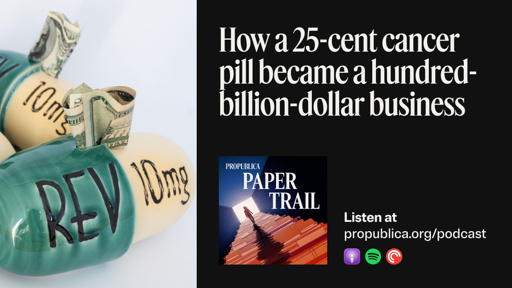
Pharma profits are too high, but you can’t really tell by that kind of comparison. The parent company (Bristol Myers Squibb) that produces Revlimid has profit margins around 30% which is high, but obviously nowhere near what those numbers suggest.
The difference is the cost of development of both successful drugs and drugs which go nowhere. So if the company made zero profit by reducing prices across the board, the price of Revlimid could come down to $666 per pill, still each costing 25 cents - that obviously still looks crazy!
Read the article. The company wasn’t the one to discover it. They bought it for pennies then put in minimal research to further develop it, but only based on the research of another doctor who wasn’t with the company. Then they put in another round of research to develop it once more only to cheat the patent law, not to improve the drug efficacy. In the end they spent far less than the normal amount to develop what normally justifies the cost. Then, the price hikes were independent of development pushes and were tied only to quarterly profit demands.
How much do executive payouts, lobbying, and marketing costs take out from those profit margins?
At least some of this information is publicly available and you can go look it up. Or I can. But before that, what do you guess those costs are? Their yearly revenue is about $48bn, to give you a starting point.
My point is that the only way to make sense of this situation is to look at it in another way, and if you do look at it that way, you see that, yes, they are making excessive profits. But not so excessive as the original perspective would say.
In case you’re skeptical still, take your estimate and ask: do you think the company spends so much on all of those items that it would make a comparison of the price to the cost of manufacturing an individual pill look reasonable?
Because I don’t think there is any realistic number you can come up with that would make this line of argument sensible, which is my point. Do you complain about having to pay $10 to buy a book when printing a single book costs like $2?
A container of raspberries costs like $8 and the cost to produce them is $0. They grow on bushes for free.
Thats if you ignore all of the other things that go into land, labor, planning, growing, harvesting, cleaning, packaging, and shipping. Just like this article did.
Oh man, if only there were some way to socialize the costs of developing new drugs by having the government fund that research!
Oh wait…we already do that? And we still let these cunts basically war-profiteer while people die? And you defend it? C’mon.
$10 no.
If that book enabled sick people to continue living another year, and they started out charging $2000 and gradually increased that to $10000 while the book production cost remained at $2, there would begin to be many ethical questions.
You’re right that the per-pill cost is only the start of what it takes to develop / test / manufacture / distribute / market the pill. But the first two are done by the time the pill comes to market and the last is minimal because you have a captive market, people who have the cancer the pill is treatment for.
Increasing the cost year after year, because you have a captive market of people that will die without your product, should raise significant ethical and legal questions. Especially because large parts of the research and testing are publicly subsidized anyway.
I tend to agree.
Pharma companies could also be considered government and worker owned and pay for the cost with taxpayer money…oh wait, we already subsidize this stuff with our taxes.
Privatize profits, socialize losses.