You can feed the azolla waste water from a fish farm for sure. But then what do you feed the fish? The nutrients always have to come from somewhere and they have to end up somewhere. If you’re simply dumping azolla in a mine somewhere as carbon storage that then turns into a huge waste of nitrogen, phosphorus and potassium. It’s a very nutrient dense plant.
I think the easiest option that works at the largest scale for the least money is dewatering it and pyrolysing it into carbon. You might get some of the nutrients back but most would be lost I think which is the downside. The only way to get those nutrients out is to turn it into ash which destroys nitrogen but liberates potassium, phosphorus, and other minerals.
One other option is to use it as a soil amendment. Biochar has a massive impact on crop yields (for soils that dearly need it. This isn’t universal) and the effects can last for decades or even centuries. It takes a lot of biochar to have that effect though, which azola or duckweed carbon fixing can produce in bulk.
I’ve heard something like 8-30 tons per hectare of bio char. The other benefit is while some of the carbon releases naturally over time it’s a slow process. The big benefit is water and nutrient retention without water logging your crops (in fact it helps with drainage in low permeability soils.) More beneficial bacteria and a healthier soil ecosystem.
Biochar is best made with manure and composte afterwards to preload it with nutrients otherwise it actually has a net negative effect on yields (since it’s like adding activated carbon. It absorbs everything until it’s fully loaded up with nutrients)
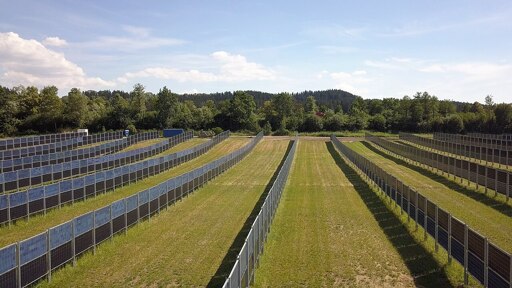
Yes you’re effectively sucking out nitrogen and carbon directly from the atmosphere and turning it into a solid. Furthermore, if you squeeze out all the water you get extremely dense cakes. You can use the energy generated from the solar panels to mechanically squeeze the azolla, use the squeezed out water back into the system.


I think azolla has been floated (hah!) as a scalable way to quickly fix atmospheric carbon. Maybe fish aquaculture for nutrient restoration?
Happy cake day, and yes, both. Carbon sequestration and animal feed.
You can feed the azolla waste water from a fish farm for sure. But then what do you feed the fish? The nutrients always have to come from somewhere and they have to end up somewhere. If you’re simply dumping azolla in a mine somewhere as carbon storage that then turns into a huge waste of nitrogen, phosphorus and potassium. It’s a very nutrient dense plant.
I think the easiest option that works at the largest scale for the least money is dewatering it and pyrolysing it into carbon. You might get some of the nutrients back but most would be lost I think which is the downside. The only way to get those nutrients out is to turn it into ash which destroys nitrogen but liberates potassium, phosphorus, and other minerals.
One other option is to use it as a soil amendment. Biochar has a massive impact on crop yields (for soils that dearly need it. This isn’t universal) and the effects can last for decades or even centuries. It takes a lot of biochar to have that effect though, which azola or duckweed carbon fixing can produce in bulk.
I’ve heard something like 8-30 tons per hectare of bio char. The other benefit is while some of the carbon releases naturally over time it’s a slow process. The big benefit is water and nutrient retention without water logging your crops (in fact it helps with drainage in low permeability soils.) More beneficial bacteria and a healthier soil ecosystem.
Biochar is best made with manure and composte afterwards to preload it with nutrients otherwise it actually has a net negative effect on yields (since it’s like adding activated carbon. It absorbs everything until it’s fully loaded up with nutrients)
Yes you’re effectively sucking out nitrogen and carbon directly from the atmosphere and turning it into a solid. Furthermore, if you squeeze out all the water you get extremely dense cakes. You can use the energy generated from the solar panels to mechanically squeeze the azolla, use the squeezed out water back into the system.